Skylights serve a crucial function in enhancing airflow and indoor air quality. By allowing natural ventilation, they can effectively expel stale air while welcoming fresh breezes.
However, the placement and type of skylight can greatly impact their effectiveness. Understanding how to optimize ventilation is essential for maximizing these benefits.
What factors should homeowners consider to create an efficient airflow system? The answers may reveal surprising insights into improving home environments.
Skylights can greatly enhance both natural light and airflow in a home, as they provide a direct pathway for sunlight and fresh air to enter interior spaces. By allowing sunlight to flood in, skylights can reduce reliance on artificial lighting, creating a more inviting atmosphere.
This increased natural illumination can also contribute to improved mood and well-being among residents. In terms of airflow, operable skylights can play a vital role in ventilation. When opened, they facilitate the escape of warm, stale air, allowing cooler air to enter through lower windows.
This natural ventilation can help maintain a comfortable indoor climate, especially during warmer months. Additionally, the presence of skylights can create a sense of spaciousness, making rooms feel larger and more connected to the outdoors. Overall, the benefits of skylights extend beyond aesthetics, positively impacting both health and comfort within the home.
Natural light can transform a living space, making it feel more open and inviting. Various skylight types cater to different aesthetic and functional needs. Fixed skylights are designed primarily for light enhancement, providing a view of the sky without ventilation.
Ventilated skylights, on the other hand, allow both light and airflow, improving indoor air quality. Tubular skylights offer a compact solution, channeling natural light into smaller spaces through a reflective tube. Finally, operable skylights can be opened manually or electronically, promoting ventilation while maximizing light.
Selecting the appropriate type depends on the desired balance of illumination, airflow, and structural considerations, ensuring that each skylight effectively enhances the home environment.
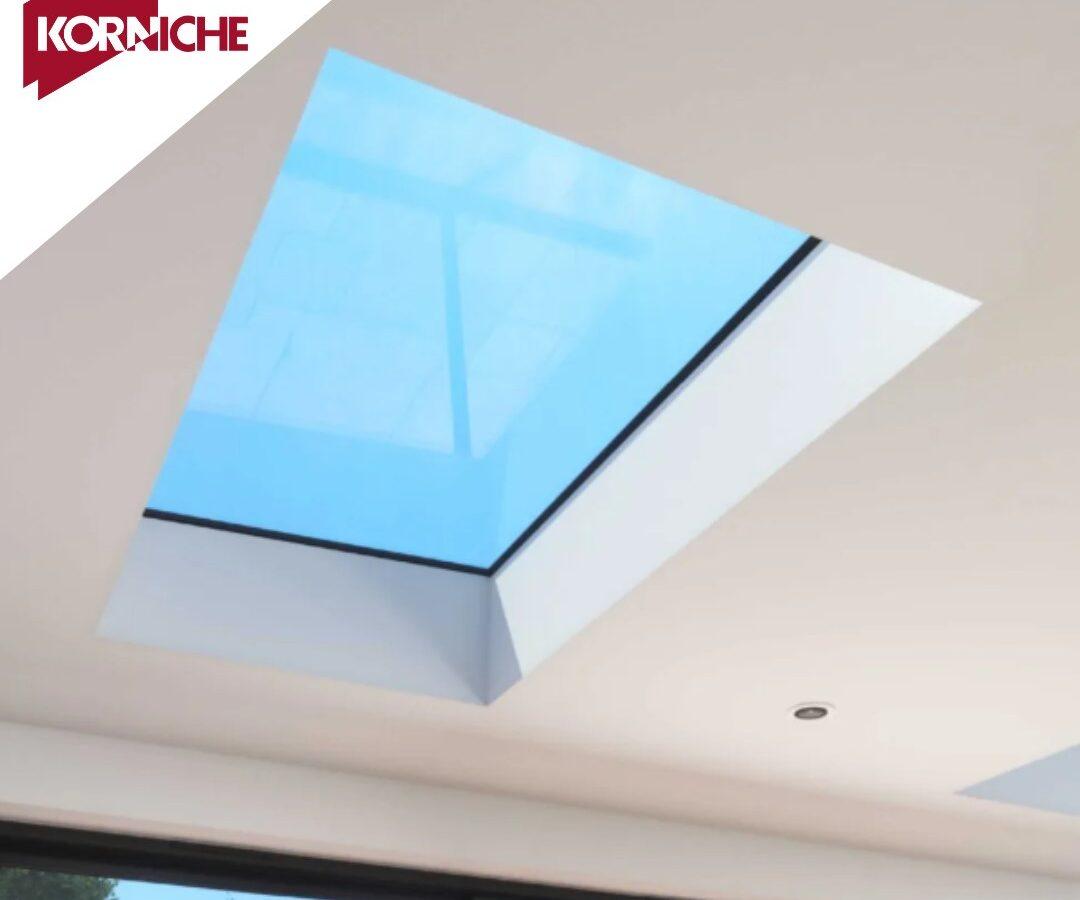
Choosing the right size and placement for a skylight can greatly impact both aesthetics and functionality in a home. Proper sizing guarantees adequate natural light without overwhelming the space, while placement influences how light enters and circulates.
For example, larger skylights may be suitable for rooms with high ceilings, enhancing the feeling of openness. Conversely, smaller skylights can effectively brighten compact areas. Additionally, positioning skylights on south-facing slopes maximizes sunlight exposure, while north-facing options provide softer, diffused light.
It is vital to take into account the building's architecture and surrounding environment to avoid obstructions that might block light. Ultimately, thoughtful size and placement decisions can markedly enhance the overall ambiance and ventilation in a living space.
A variety of energy efficiency features can greatly enhance the performance of skylights in a home. Modern skylights often incorporate double or triple glazing, which considerably reduces heat transfer, keeping interiors warmer in winter and cooler in summer.
Low-emissivity (Low-E) coatings further improve insulation by reflecting heat back into the room while allowing natural light to enter. Energy-efficient skylights also come equipped with automated opening mechanisms, facilitating proper ventilation and reducing reliance on HVAC systems.
Additionally, selecting skylights with proper solar heat gain coefficients (SHGC) can help manage solar energy, ensuring ideal indoor temperatures. By choosing the right combination of these features, homeowners can achieve not only improved airflow but also long-term energy savings.

While many homeowners seek ways to enhance natural light in their spaces, optimizing ventilation through skylights offers substantial benefits beyond mere illumination. Natural light contributes greatly to improved mood and productivity, creating a more inviting atmosphere.
It can reduce reliance on artificial lighting, leading to energy savings and a lower environmental footprint. Additionally, natural light helps regulate circadian rhythms, promoting better sleep patterns and overall well-being. Skylights also facilitate the entry of fresh air, which can dilute indoor pollutants and enhance air quality.
By strategically placing skylights, homeowners can harness the sun's rays while ensuring proper airflow, creating a harmonious balance between light and ventilation that enriches the living environment.
Harnessing the benefits of natural light can be further enhanced by understanding the various types of skylights available. Fixed skylights are ideal for maximizing light without ventilation; they are often used in spaces where airflow is not a priority.
Ventilated skylights, on the other hand, can be opened to promote air circulation, making them suitable for kitchens and bathrooms. Tubular skylights, designed for smaller areas, channel light through reflective tubes, providing illumination while minimizing heat loss.
Each type serves distinct purposes, allowing homeowners to tailor their choices based on specific needs. By selecting the right skylight, individuals can markedly improve airflow while enjoying the advantages of natural light in their homes.

Skylights typically require building permits, as regulations vary by location. Homeowners should consult local building codes and regulations to guarantee compliance, as factors like size, type, and installation can influence permit requirements.
Skylight installation typically ranges from $1,000 to $3,000, depending on size, type, and complexity. Additional factors such as labor, materials, and local permits can influence the overall cost considerably in various regions.
Building codes for skylight installation vary by region, typically addressing structural integrity, energy efficiency, and safety standards. Homeowners should consult local building authorities to verify compliance with specific regulations and guidelines before installation.